Why You Should Never Ignore a Slow Drain
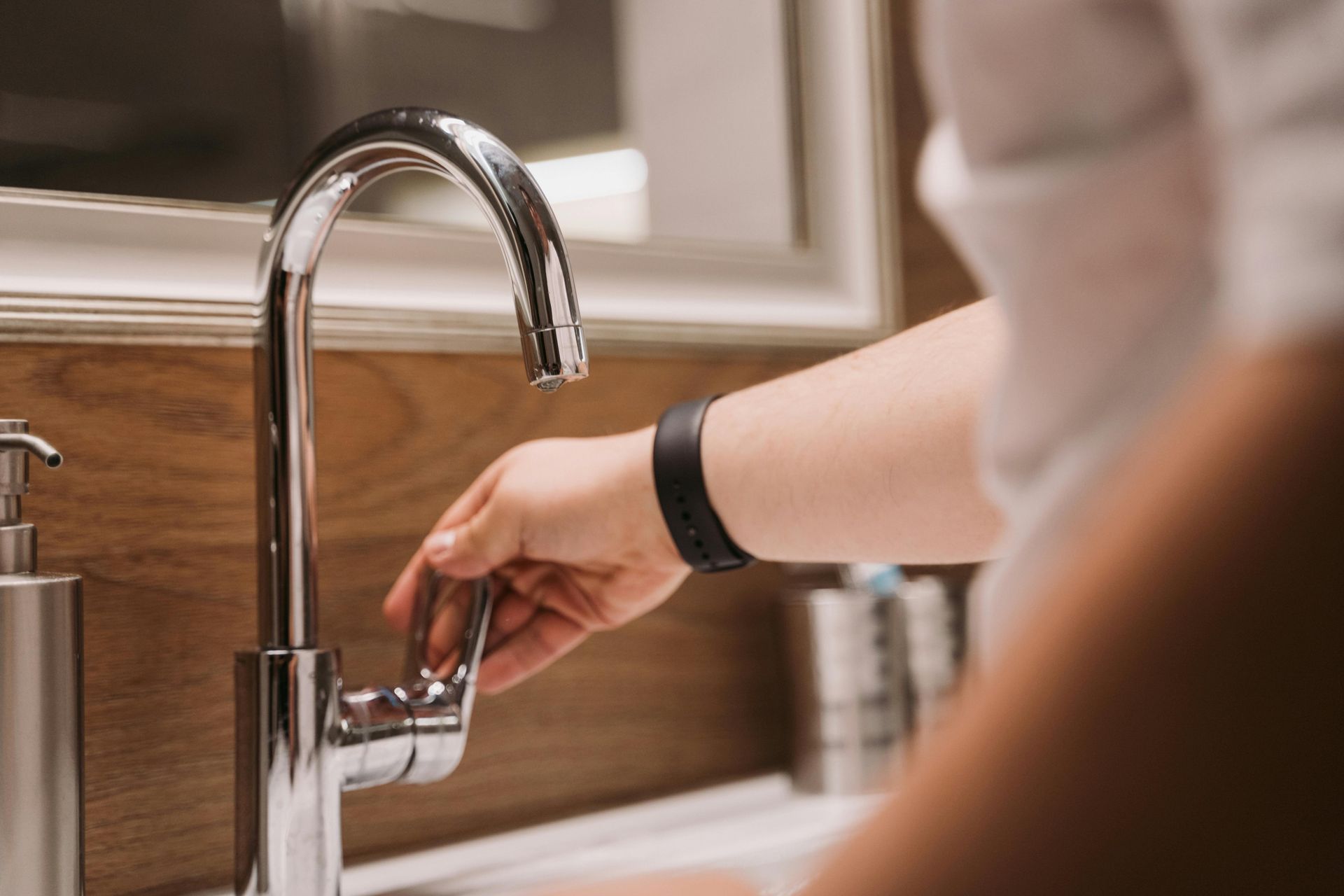
A slow drain might seem like a small problem.
You may think it’s just buildup from soap or hair. You may even plan to fix it later or hope it clears on its own. But ignoring it can lead to much bigger issues—ones that cost more, take longer to fix, and cause damage that could have been avoided.
Here’s what might be going on behind that sluggish water flow—and why you shouldn’t wait.
It Could Be More Than Just a Clog
A slow drain often starts with a buildup. Hair, grease, and food particles collect inside your pipes. At first, the water may just drain slowly. But when the buildup thickens, it can trap more waste and grow into a full blockage. Once that happens, water can’t move at all.
Some clogs are easy to reach. Others sit deeper in the line, past where a plunger or drain cleaner can help. If you leave the clog alone, pressure can build and damage the pipe walls. In many cases, the problem spreads into your septic system. That’s when you start to face real trouble.
Signs of Bigger Problems
One slow drain in one sink might not seem like a warning. But it can be. If multiple drains in your home are slow, your main sewer line could be blocked. This line carries all your wastewater out of your house. When it’s blocked, sewage has nowhere to go. It may come back up through your drains or overflow outside.
Other warning signs include:
● Gurgling noises from your pipes
● Bad smells near sinks or drains
● Water backing up in one area when using another (like the bathtub gurgling when you flush the toilet)
These are all red flags that should not be ignored. They may point to a deeper system issue that needs immediate attention.
Damage Gets Worse Over Time
Slow drains don’t just stay slow. The longer you wait, the more pressure builds inside your pipes. Over time, that pressure can lead to cracked pipes or leaks. If your home has a septic system, the problem might affect your tank or drain field.
When wastewater can’t flow freely, it may sit too long in the tank. That throws off the balance of bacteria inside. Solids may not break down as they should, and you might face early pump-outs or even drain field failure.
When Septic Systems Are Involved
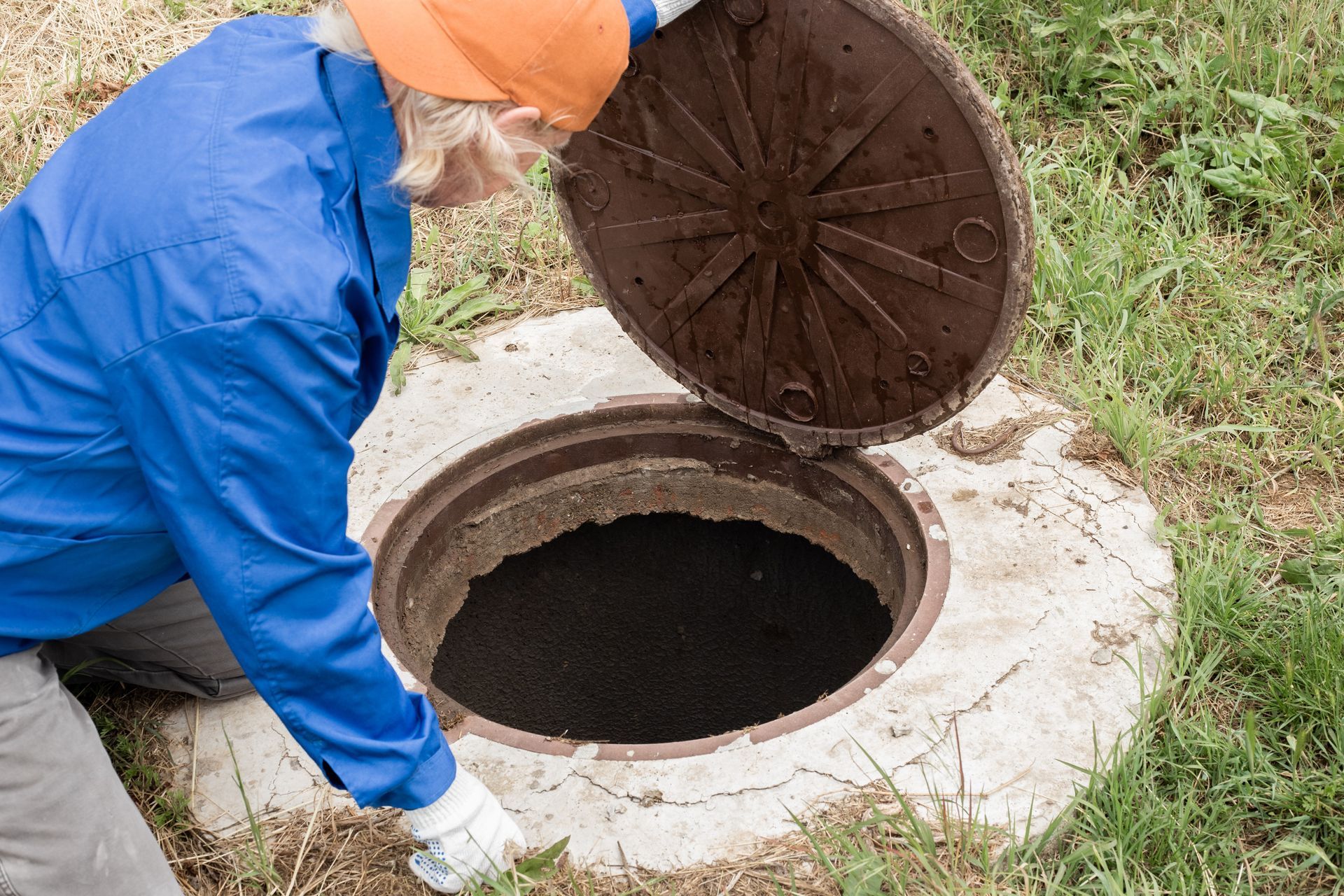
If your home uses a septic tank, a slow drain can point to trouble with more than just the pipes. It might mean the tank is full, or that waste isn’t leaving the tank the way it should. The issue might also be with the pump or float system, especially if your setup needs lift support.
Professionals sometimes find that a slow drain is the first sign of a clog in the filter or buildup in the pump station. If left unchecked, this can overflow into the drain field or damage the tank itself.
What to Do Instead of Waiting
The first step is simple: don’t ignore it. If you notice a drain that’s slower than normal, act quickly. Try clearing surface-level clogs if you can reach them safely. Avoid using harsh chemicals, as they can harm your pipes and your septic system.
If the problem doesn’t go away, it’s time to call in help. Professionals use tools like pipe cameras, high-pressure jetting, and diagnostic checks to find the real cause.
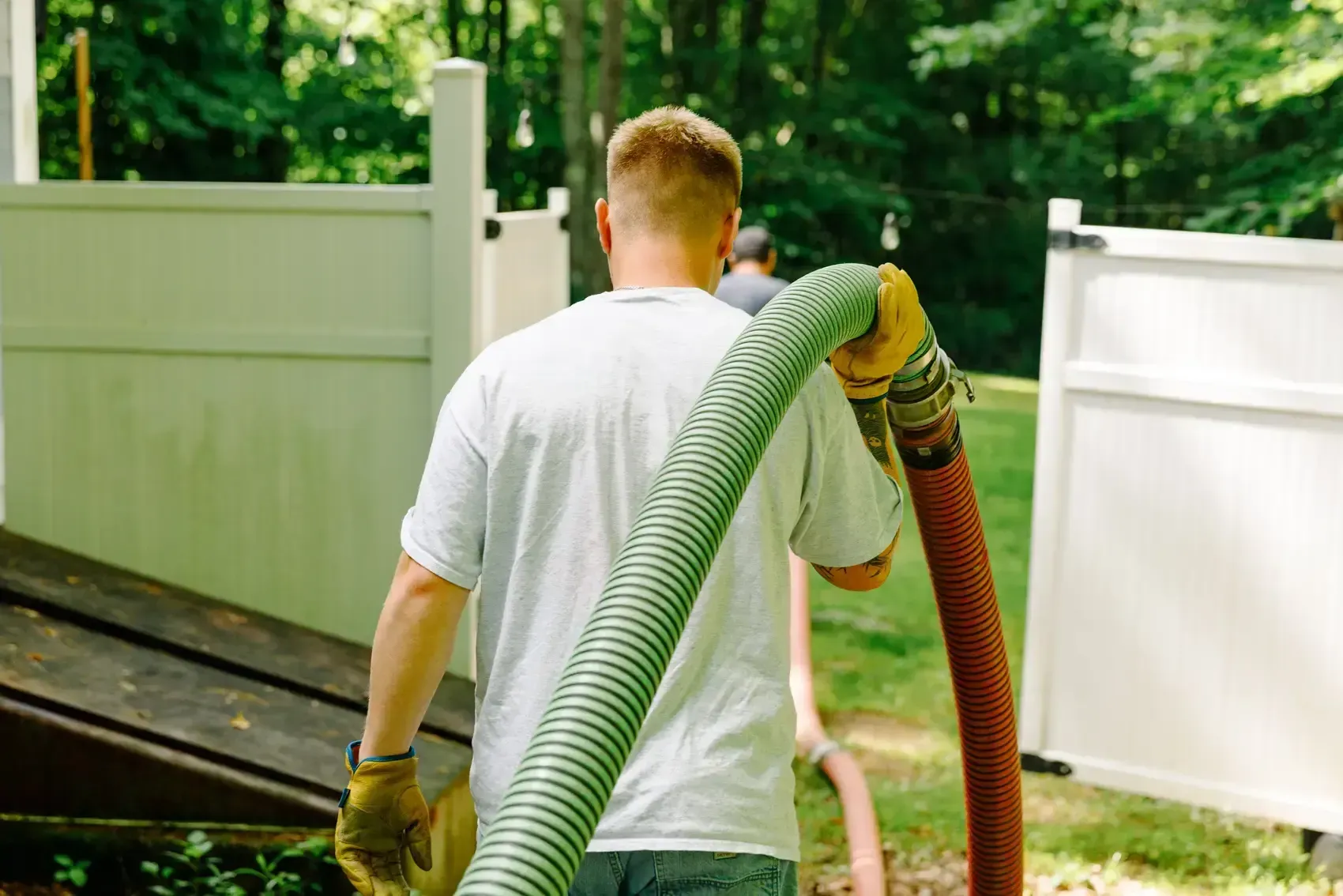
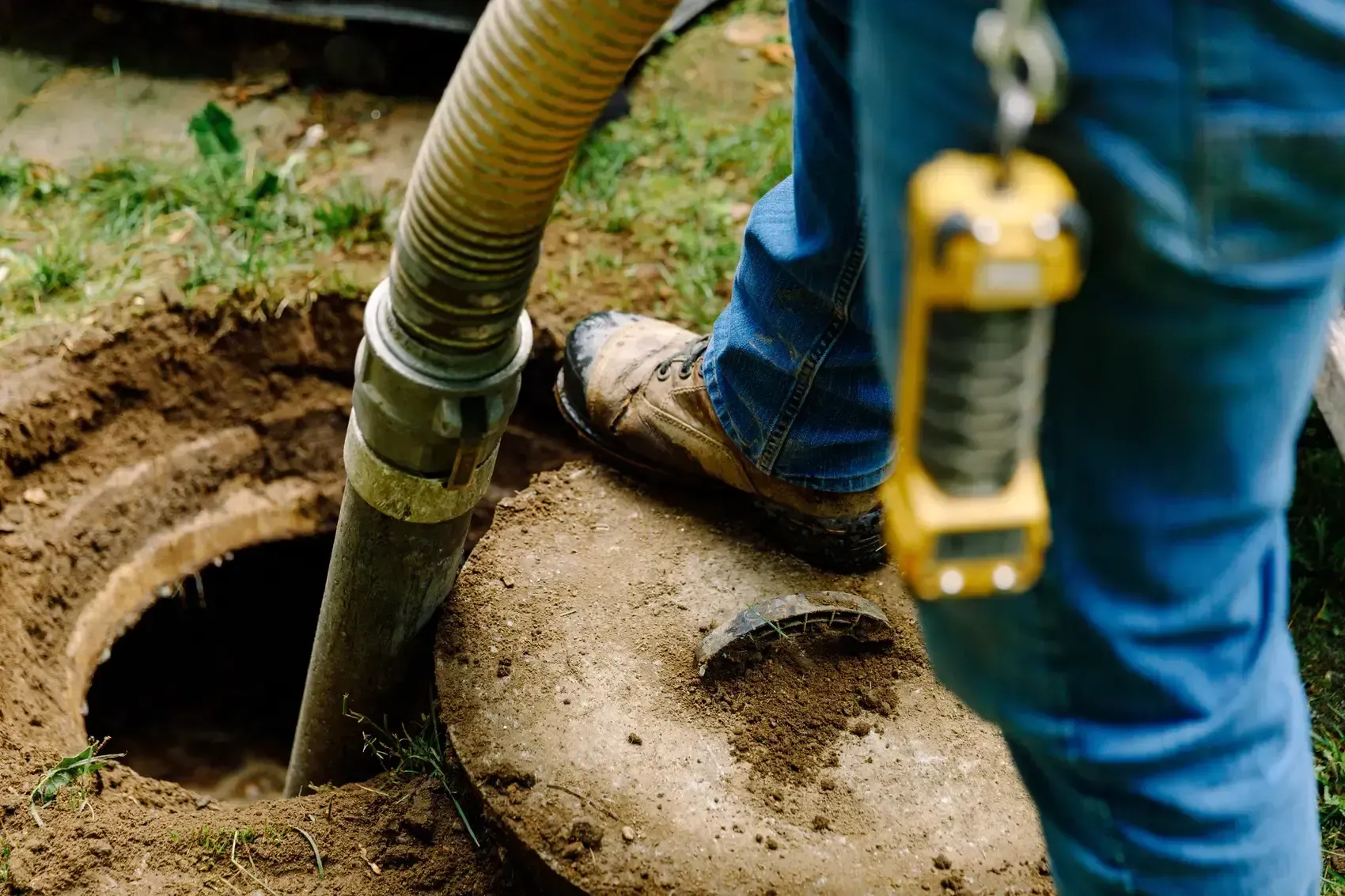
At Arkie Rogers Septic Services, Inc., we handle everything from stubborn clogs to full septic repairs. Whether it's pumping, inspecting, or clearing your lines, we have the right tools to get your system working again—fast and properly. Don’t wait for a bigger problem to show up. Call us today at 207-892-9126 and let us help before it gets worse.