The Do’s and Don’ts of Proper Septic Tank Care

Tabatha Erickson • December 5, 2025

Smart habits that keep your septic system running smoothly
Person turning on a chrome faucet in a bathroom, near a soap dispenser.

A well-maintained septic system is essential for the health and safety of your home. Proper septic tank care prevents costly repairs, protects the environment, and ensures your system functions efficiently. Here are some key do’s and don’ts for Maine homeowners to keep their septic systems in top condition.
 
The Do’s of Septic Tank Care
 
1. Do Schedule Regular Pumping
Have your septic tank pumped every 3-5 years to remove accumulated solids and prevent clogs.
 
2. Do Inspect Your System Annually
Regular inspections can catch minor issues before they become expensive repairs.
 
3. Do Conserve Water
Reduce water usage by spreading out laundry loads, fixing leaks, and using water-efficient fixtures to prevent overloading the system.
 
4. Do Maintain the Drain Field
Keep the area around your drain field free of heavy vehicles, buildings, or trees whose roots could damage pipes.
 
5. Do Hire Professionals for Maintenance and Repairs
Professional septic services have the expertise and equipment to handle maintenance safely and effectively.
 
The Don’ts of Septic Tank Care
 
1. Don’t Flush Non-Biodegradable Items
Avoid flushing wipes, feminine hygiene products, diapers, or other items that can clog your system.
 
2. Don’t Pour Chemicals Down the Drain
Household chemicals, paints, and grease can kill the bacteria that break down waste in your septic tank.
 
3. Don’t Ignore Slow Drains or Odors
Slow drains or foul smells are early signs of septic problems. Address them promptly to prevent larger issues.
 
4. Don’t Overload the System with Water
Avoid doing multiple loads of laundry in a single day or running multiple water-heavy appliances at once.
 
5. Don’t Drive or Park on the Drain Field
Heavy weight can compact soil, crush pipes, and damage the system.
 
Choose Arkie Rogers Septic Services
 
Arkie Rogers Septic Services provides professional septic maintenance, inspections, and repairs throughout Maine. Following these do’s and don’ts, along with professional care, helps ensure your septic system remains efficient and problem-free for years to come.
 

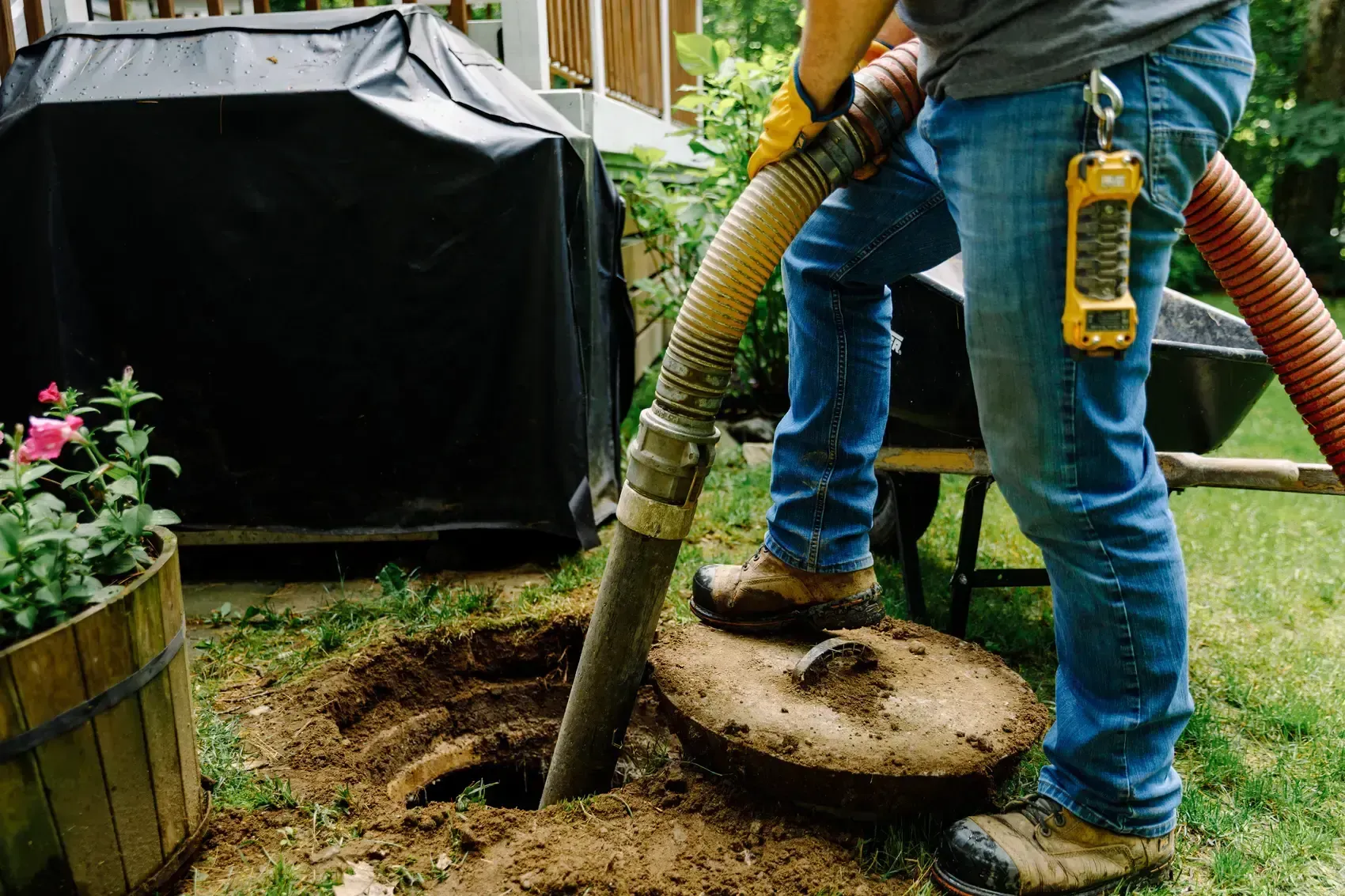
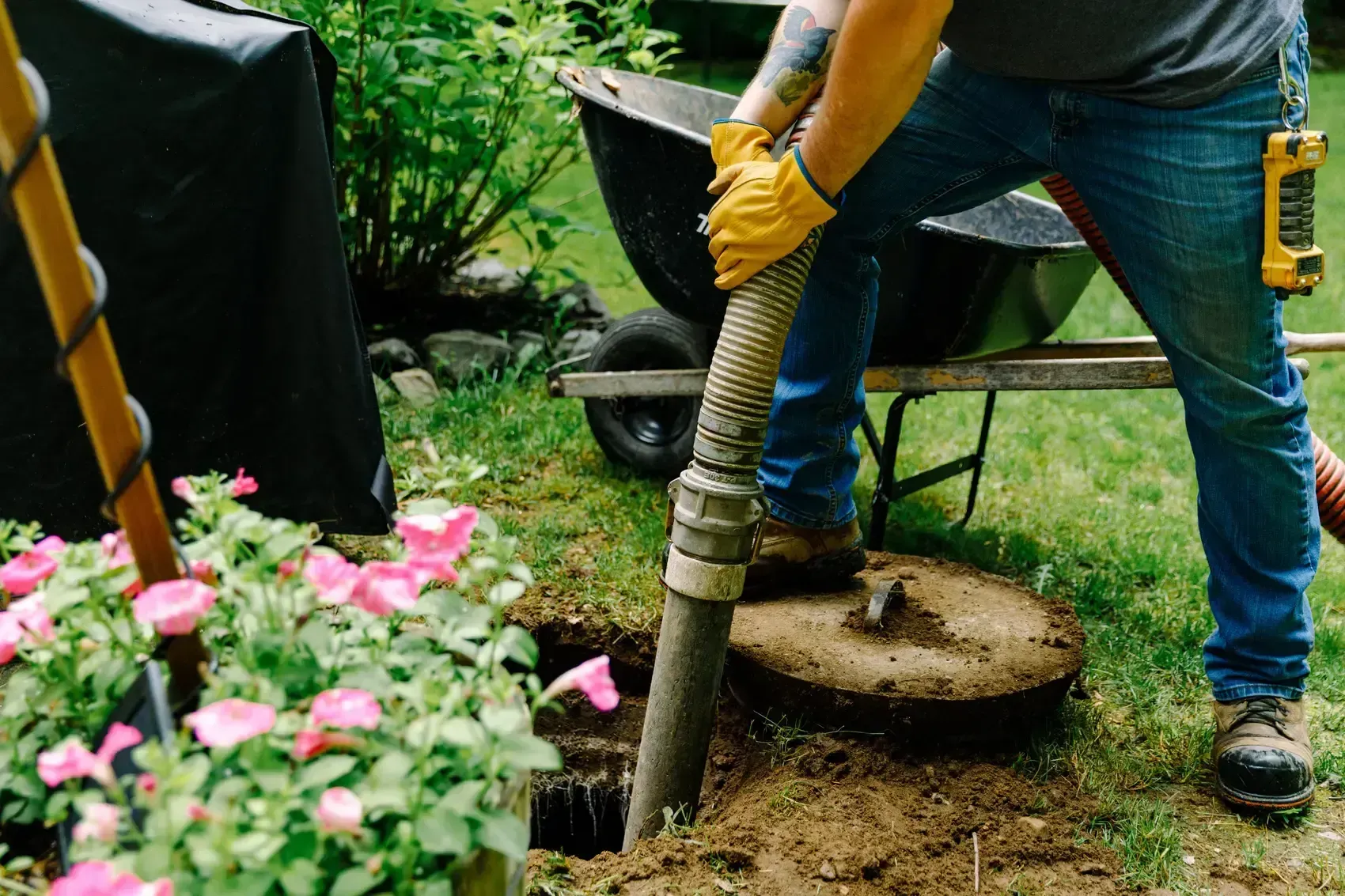
Man pumping out septic tank with hose, wheelbarrow nearby in a yard with flowers.
By Tabatha Erickson November 14, 2025
Learn how to extend the life of your home's septic system in Maine with expert maintenance tips, practical care advice, and strategies to prevent costly repairs.
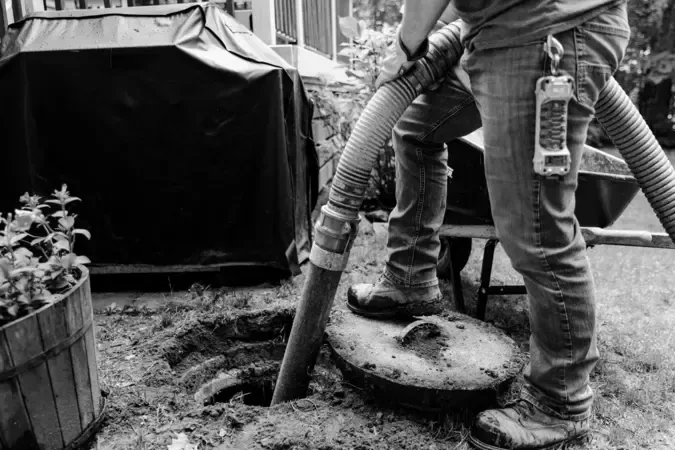
Man in blue overalls and gloves pumping out a septic tank in a grassy yard.
By Tabatha Erickson October 10, 2025
Learn the signs that indicate your septic tank needs pumping. Protect your Maine home from backups and costly repairs with Arkie Rogers Septic Services.
September 3, 2025
A slow drain might seem like a small problem.
By Tabatha Erickson August 1, 2025
Discover why regular septic tank maintenance is crucial for Maine homeowners. Protect your property, prevent costly repairs, and maintain a healthy septic system with Arkie Rogers Septic Services.
July 7, 2025
Let's break down the six most common misconceptions and what’s really going on beneath the surface.
May 27, 2025
Septic system problems are never convenient, and when they happen unexpectedly, they can create a lot of stress.
April 30, 2025
A septic system is an important yet often overlooked part of a home. It quietly handles wastewater disposal, ensuring a clean and healthy living environment. But like any other system, it also requires proper maintenance to function effectively. Regular septic tank inspections can prevent costly repairs and extend the system’s life. Let’s explore the key benefits of routine septic inspections and why they should be a priority for your home. What Is a Septic Tank Inspection? A septic system inspection is a thorough evaluation of all components of your septic system. This includes the tank, drain field, and connecting pipes. Professionals assess the system's condition and identify potential issues before they escalate. Why are Inspections Important? Here are some major advantages of conducting regular septic tank inspections for your home. Prevents Costly Repairs Septic system failures don’t just happen overnight. They result from gradual wear, unnoticed leaks, and clogs that build up over time. Routine inspections help detect small issues before they escalate into major repairs. For example, minor cracks in the tank or an early-stage blockage in the drain field can be identified and fixed quickly, preventing expensive emergency repairs. A neglected system can lead to full-blown failures that cost thousands of dollars to fix or replace. Ensures System Efficiency Over time, septic systems can become less efficient due to the accumulation of solids or other factors. Reduced efficiency can lead to slow drainage, backups, and other problems. Inspections help identify factors affecting system efficiency. Professionals can recommend solutions such as pumping or other maintenance tasks to restore optimal performance. Protects Property Value Overflowing tanks or clogged drain fields can cause wastewater to back up into your home or pool on your lawn, creating unsanitary and unpleasant conditions. Regular inspections help keep the system in check, preventing such disasters. A well-maintained septic system also adds to a home's value. If you plan to sell your property, buyers will appreciate a documented history of inspections, making your home more attractive in the market. Prevents Health Issues When wastewater isn't properly treated, it can contaminate groundwater, wells, and nearby water bodies with harmful bacteria and pathogens. This can lead to serious health issues for both humans and animals. Routine inspections ensure the system is processing waste correctly, reducing the risk of contamination and keeping drinking water sources safe. Ensures Compliance with Local Regulations Many local bodies require periodic septic inspections to make sure the systems comply with environmental and health standards. Homeowners who ignore inspections risk fines and penalties. Regular check-ups help you stay compliant, avoiding legal troubles. What Does a Septic Inspection Include? A typical septic inspection involves several key steps: ● Tank Level Check: Professionals measure the levels of sludge and scum in the tank to determine if pumping is necessary. ● Tank Integrity Check: The tank is inspected for cracks, leaks, and other signs of damage. ● Drain Field Evaluation: The drain field is assessed for proper drainage and signs of failure. ● Inlet and Outlet Inspection: The inlet and outlet pipes are checked for blockages or damage. ● Component Assessment: Other components, such as pumps or filters, are evaluated for proper functioning. Selecting a reliable and experienced septic service provider is essential for accurate and effective inspections. At Arkie Rogers Septic Service, Inc. , we are committed to providing high-quality septic services. Our team uses top-notch equipment to deliver efficient solutions. Call us today at 207-892-9126 to experience our fast, friendly service!
March 11, 2025
Here are a few surprising things that can harm your septic system and what you can do to prevent costly repairs.
January 7, 2025
Get Your Septic Tank Ready for the New Year
By noreply November 8, 2024