10 Things You Should Never Flush or Pour Down the Drain If You Have a Septic System
Be careful what you flush or pour down the drain
Published by Arkie Rogers Septic Service, Inc. | Serving Windham, Raymond, Gorham, and Southern Maine
If your home runs on a septic system, what goes down your drains matters a lot more than it does for homes on municipal sewer. Your septic tank is a living ecosystem — billions of beneficial bacteria work around the clock to break down waste. Introduce the wrong things, and you can kill those bacteria, clog your drain field, and end up with a very expensive problem on your hands.
At Arkie Rogers Septic Service, we've been pumping and servicing septic systems across Southern Maine for over 50 years. We've seen firsthand what happens when the wrong things go down the drain — and we'd much rather help you prevent a problem than clean one up.
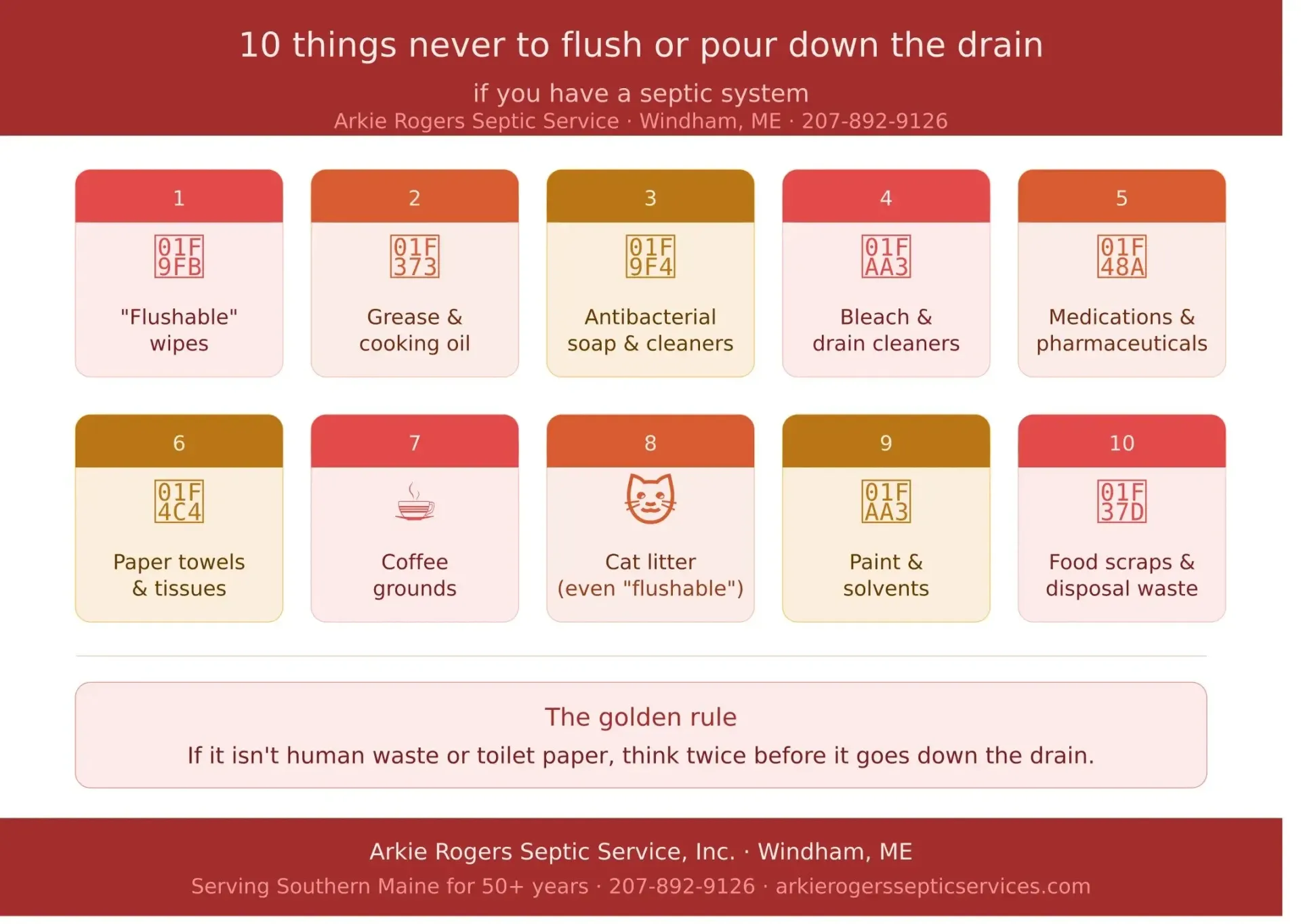
Here are 10 things that should never go near your septic system.
1. "Flushable" Wipes
This one surprises a lot of people. Despite what the packaging says, so-called flushable wipes do not break down the way toilet paper does. They hold together in your tank, accumulate over time, and are one of the leading causes of septic clogs and pump failures we see in the field. Baby wipes, makeup wipes, and cleaning wipes are equally bad. If it isn't toilet paper, it doesn't belong in the toilet.
2. Grease, Fats, and Cooking Oils
Pouring bacon grease or cooking oil down the kitchen sink might seem harmless — it's liquid, after all. But once it cools, grease solidifies and coats the inside of your pipes and tank. Over time, it builds up into a thick layer that interferes with the natural separation of solids and liquids your tank depends on. Let the grease cool in a container and toss it in the trash instead.
3. Antibacterial Soaps and Cleaners
Your septic system runs on bacteria. Antibacterial products — certain hand soaps, dish soaps, and household cleaners — are specifically designed to kill bacteria. Used in large quantities or too frequently, they can seriously disrupt the microbial balance in your tank and slow down or stop the breakdown of waste. Look for septic-safe cleaning products, and use them in moderation.
4. Bleach and Harsh Chemical Drain Cleaners
A small amount of diluted bleach — like what's in laundry — is generally tolerable for a healthy septic system. But pouring bleach directly down the drain, or regularly using chemical drain cleaners like Drano, is a different story. These products are highly caustic and can quickly kill the bacterial population in your tank. If you have a slow drain, call a professional rather than reaching for the chemicals.
5. Medications and Pharmaceuticals
Flushing expired or unused medications is a common habit, but it's a bad one for septic owners (and for the environment). Medications — particularly antibiotics — can pass through your system and kill the beneficial bacteria in your tank. They can also leach into the groundwater through your drain field. Most pharmacies and many local health departments offer medication take-back programs. Use them.
6. Paper Products Other Than Toilet Paper
Paper towels, tissues, cotton balls, and feminine hygiene products are designed to be absorbent and durable — which means they don't break down in a septic tank. They accumulate in the solids layer, fill up your tank faster, and can cause blockages in your inlet or outlet pipes. Toilet paper — and only toilet paper — belongs in the toilet. Keep a wastebasket in the bathroom for everything else.
7. Coffee Grounds
Coffee grounds seem harmless enough, but they are one of the sneakiest contributors to septic buildup. They don't dissolve, don't break down biologically, and sink to the bottom of your tank, accumulating as sediment. Over time they contribute to faster-than-normal tank filling and can clog your system. Toss them in the compost or trash.
8. Cat Litter
Even brands labeled "flushable" or "biodegradable" should not go anywhere near a septic system. Cat litter is designed to clump and absorb liquid — the exact opposite of what you want in your pipes and tank. It can create serious blockages and add non-biodegradable material to your system. Always dispose of cat litter in the trash.
9. Paint, Solvents, and Household Chemicals
Latex paint, paint thinner, solvents, pesticides, and motor oil are all toxic to the bacterial environment in your septic tank — and they can contaminate your drain field and nearby groundwater. Even small amounts can cause lasting damage. These products should never go down any drain. Check with your local municipality for hazardous waste disposal options; many Maine towns offer seasonal collection events.
10. Food Scraps and Garbage Disposal Waste
If you have a garbage disposal and a septic system, use it sparingly — or consider not using it at all. Garbage disposals introduce large amounts of solid food waste into your tank that takes much longer to break down than human waste. This significantly increases how quickly your tank fills up and how often it needs to be pumped. Scrape plates into the compost or trash before rinsing.
The Bottom Line
Your septic system is more resilient than you might think — but it isn't invincible. A little awareness about what goes down your drains can add years of life to your system and save you from costly repairs or emergency pump-outs.
A good rule of thumb: if it isn't human waste or toilet paper, think twice.
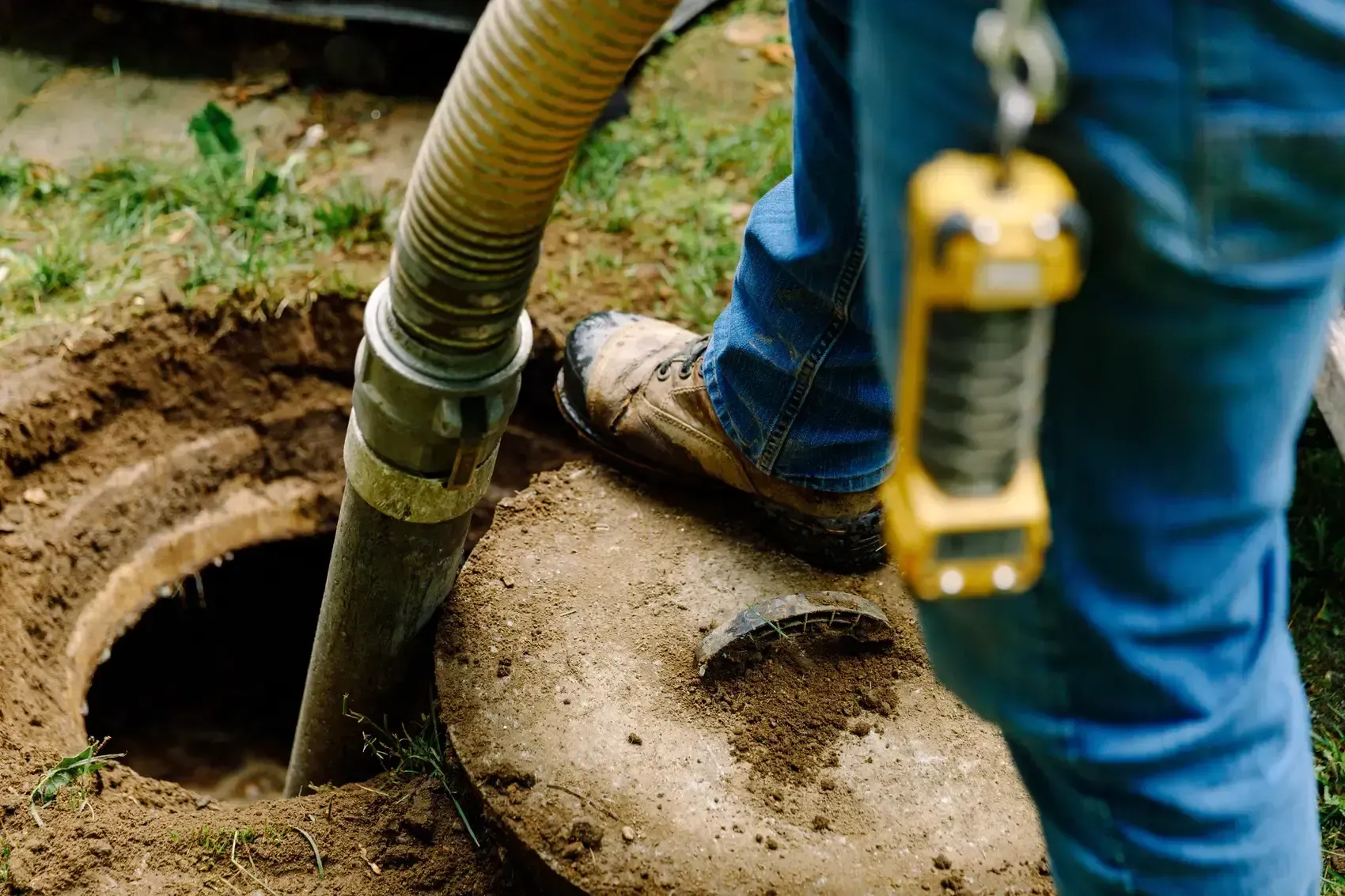
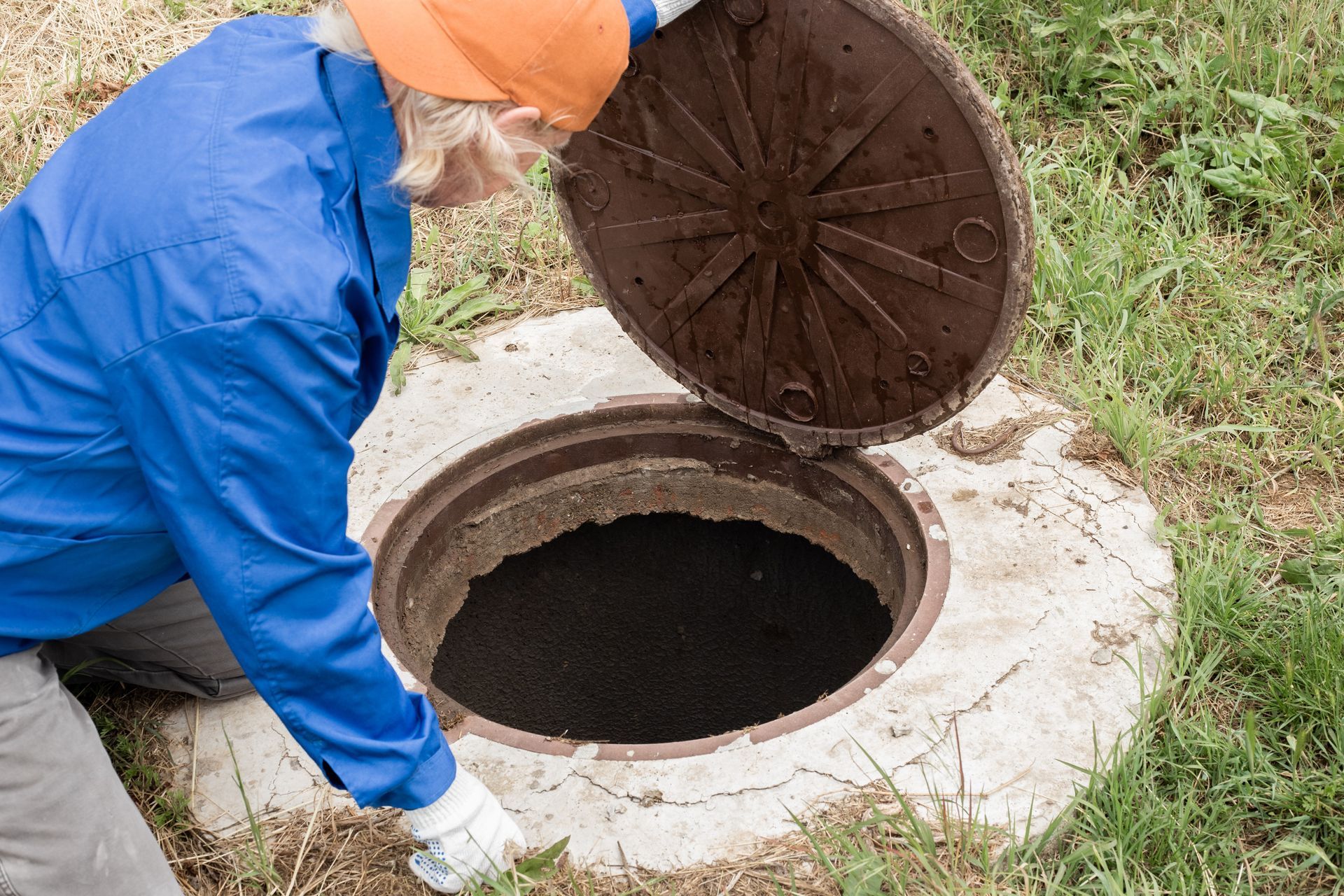
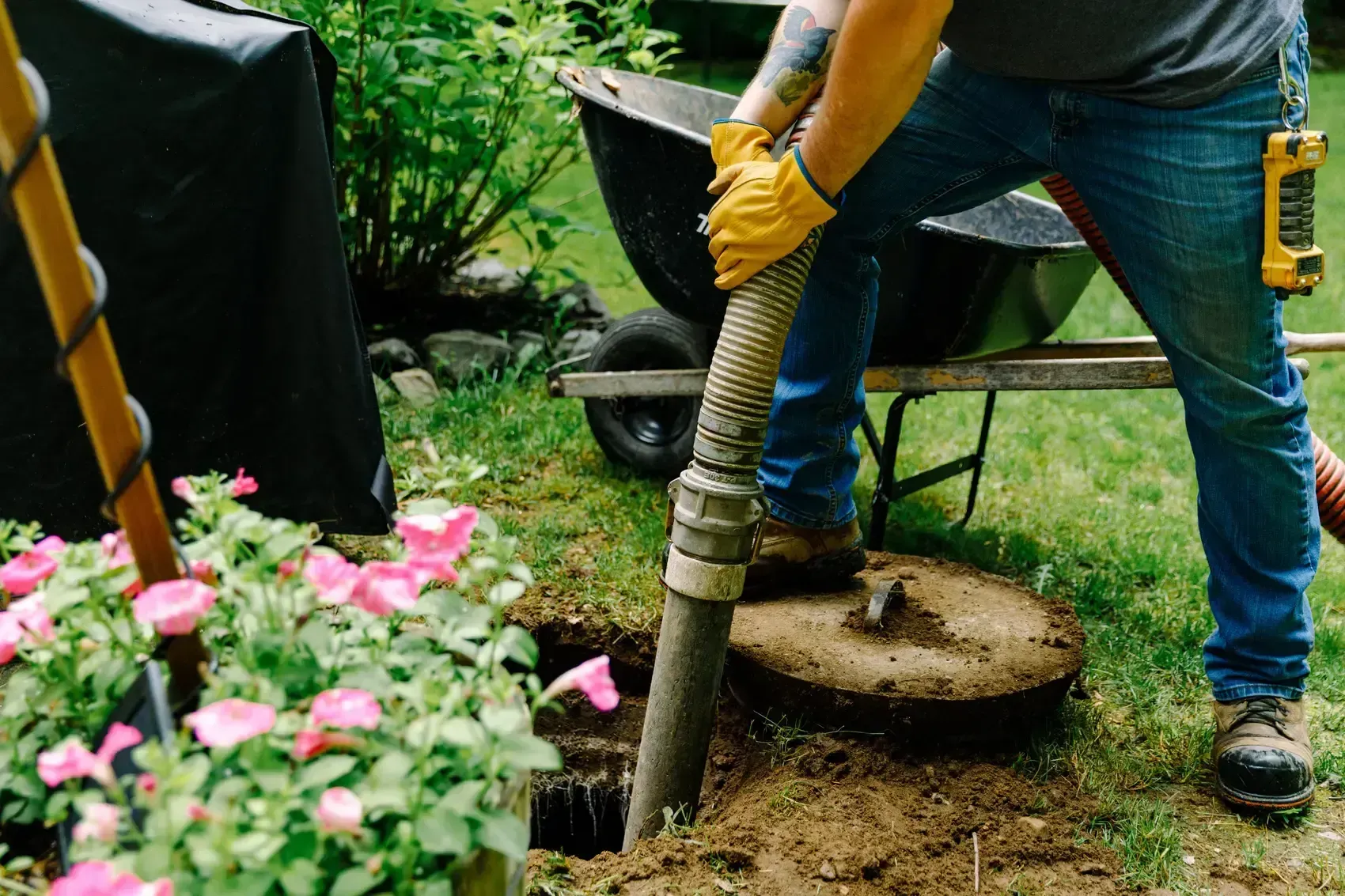
And when was the last time you had your tank pumped? Most systems serving a family of four should be pumped every 3 to 5 years — but usage, tank size, and system age all factor in. If you're not sure where you stand, it's worth a call.
Arkie Rogers Septic Service has been serving Windham, Raymond, Gorham, Standish, Falmouth, Cumberland, Westbrook, and the surrounding communities for more than 50 years.
We offer septic tank cleaning, pumping, repairs, and inspections for residential and commercial properties.
📞 Call us at 207-892-9126 or contact us online to schedule your next service.